Your NCCYou Fraud Information
We are here to help keep you and your finances safe! Click to ask a QuestionTo Our Members
Important Message
Tips and Information to Help You Stay Safe!
Build strong digital habits in October
- Use strong, unique passwords for each account.
- Turn on multi-factor authentication wherever possible.
- Keep your devices updated with the latest software.
- Stay alert for phishing messages in emails and texts.
Think of cybersecurity as personal hygiene for the digital age. Small, consistent actions keep you healthy and secure.
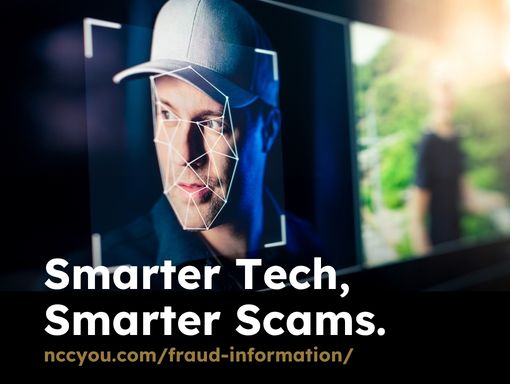
Smarter Tech, Smarter Scams
Artificial Intelligence (AI) is transforming the way we work and live, but it’s also giving scammers new tools. Generative AI can create emails, texts, and even voices that look and sound real, making fraud harder to detect.
- Fake emails that sound authentic.
- Voice scams where fraudsters mimic a loved one’s voice.
- AI-created websites or “deepfake” videos to spread false information.
- Always verify requests for money or information, even if they sound genuine.
- Be cautious of urgent messages asking you to act quickly.
- When in doubt, call the person or company directly using a trusted number.
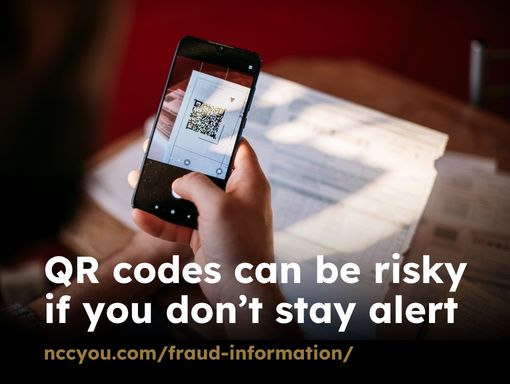
QR codes are convenient, but they can also be risky if you don’t stay alert
QR codes have become part of everyday life: menus, payment options, and event tickets. But cybercriminals are also using them to trick people into scanning malicious links. These fraudulent QR codes can take you to fake websites, install malware, or even steal your personal information.
- Only scan codes from trusted source
- Watch out for stickers placed over legitimate codes
- After scanning, double-check the website URL before entering any information
- Avoid making payments directly from a QR code unless it’s from a verified business.
Scams are becoming more creative, but awareness is your best defense.
Multi-Factor Authentication: Add an extra step for extra protection
In today’s digital world, a simple password is no longer enough to protect your sensitive information. Hackers are getting smarter, and breaches are becoming more common. That’s why multi-factor authentication (MFA) is one of the strongest tools you can use to protect yourself.
-
Stronger security: Protects your accounts from phishing, password theft, and data breaches.
-
Easy to use: Codes are sent right to your phone or generated in a secure app.
-
Peace of mind: Stops criminals, even if they know your password.
Tip: Use an authenticator app (like Microsoft Authenticator, Google Authenticator, or Authy) instead of text messages for even more secure protection.
Gain peace of mind knowing you have an extra line of defense.
Stay secure in an AI-driven world
Artificial Intelligence (AI) is transforming how we live, work, and bank, but it also changes the landscape of cyber threats. Scammers can use AI to craft highly convincing phishing emails, fake websites, and even deepfake videos.
- Verify emails, links, and attachments – even if they look familiar.
- Keep your computer and phone software up to date to defend against AI-driven attacks.
- Enable MFA (Multi-Factor Authentication) on your accounts for extra protection.
- Be skeptical of urgent requests or offers that seem “too good to be true.”
Stay informed, stay cautious, and stay secure!
Members Should Be Aware of the Recent Fraud and Scam Alerts
Recent Fraud Alert 4/24/26 - Be Aware!
We’ve received reports of scam texts and phone calls claiming to be from Northern Communities CU. PLEASE REMEMBER: We will NEVER ask for your Social Security number, account number, or online banking credentials through a text message or unsolicited phone call. Your security is our top priority, and we have safeguards in place to help protect your information—but scammers are getting more sophisticated.
If you receive a suspicious message or call:
– Do not respond or click any links
– Do not share personal or account information
– Contact us directly using a trusted phone number
When in doubt, hang up and call us (218) 279-3200. We’re here to help keep your accounts safe.
Recent Scam Alert 11/13/25 - Be Aware!
Recently, two of our members fell victim to a scam. A person claiming to be from our fraud department called them and instructed them to download an app, which gave the fraudster access to their online banking. Once they had access to the member’s phone, the fraudster guided them on how to transfer money between their accounts and also instructed them to make a wire transfer. If you receive a call about this scam, please direct the caller to us.
Be Aware of "Advance-Free Loan Scams"
These scams target people by promising easy access to loans, regardless of their credit history, if they pay an upfront fee first. The scammer may claim the advance is for “processing,” “insurance,” or “paperwork,” but after paying, victims never receive any loans or refund, and the scammer disappears.
What to watch out for:
- Guaranteed loan approval before you apply or without a credit check
- Request for advance payments, especially via wire transfer
- Scammers often apply pressure, urging quick decisions
The scammer often buys marketing lists of people who have applied or searched for payday loans and will then call, text, mail, or target you via social media ads. They also impersonate the names of reputable financial institutions!
The main takeaway is that no trustworthy lender will ever ask you to pay an upfront fee prior to applying or receiving funds to a loan.
Learn more about this scam here: Advance-fee loan scams: What they are & how to protect yourself
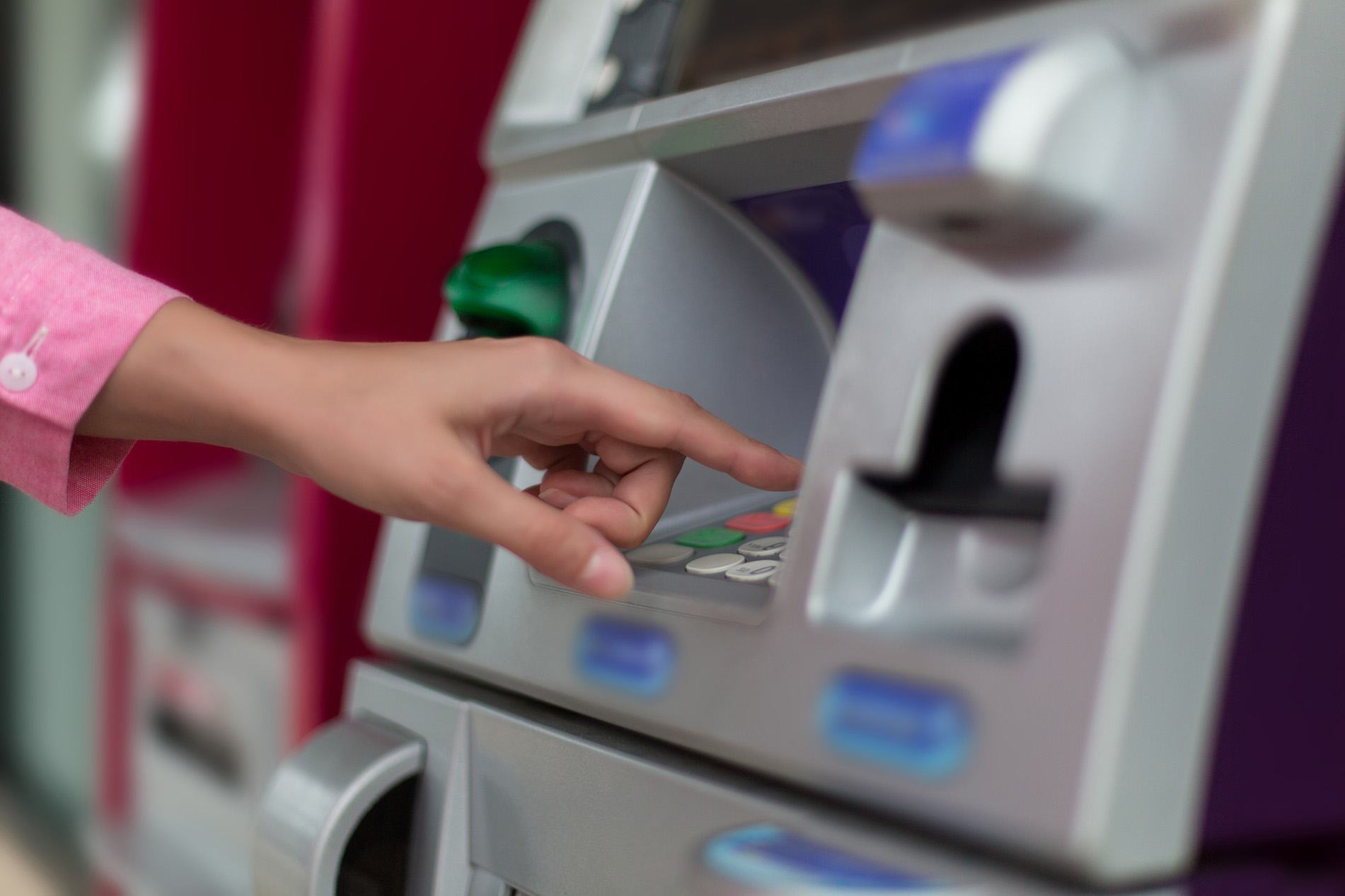
Recent Card Skimming Incidents (Duluth area)
We are aware of the recent reports of card skimming incidents in the Duluth area and take this matter very seriously. We want to assure all our members that we proactively monitor our ATMs to safeguard against these threats.
Card skimming is a growing concern that can jeopardize your financial security. To help you stay safe, follow these essential precautions:
- Monitor Your Accounts: Check your accounts regularly and set up alerts for any unusual activity without delay.
- Inspect Card Readers: Always inspect card readers before use. Look for loose parts or any signs of tampering.
- Report Suspicious Devices: If you encounter anything that seems off, do not hesitate to notify NCCYou and the authorities immediately.
NCCYou provides valuable services to empower our members to protect their identity effectively. Learn more ways how we keep our members safe:
CardNav
ID Guard Checking
Stay vigilant and take charge of your financial security! For more tips, visit the Skimming page on the FBI website
Unsolicited Mail
We have received several inquiries regarding unsolicited mail offering home warranties and various other products. Please be advised that NCCYou does not engage in any such solicitation. However, because we are listed on the mortgage records, it may appear that we are sending out this marketing literature.
Why did I receive this?
Unfortunately, various companies search through County Recorder listings for newly recorded mortgages, which is public information they can use to target individuals. Given the decline in mortgage business over the past year, it seems these companies have also begun to scour historical recordings.
Please understand that this is not from NCCYou, so please disregard it or conduct your own research if you are interested.
As always, if you are ever in question about the legitimacy of communication from NCCYou, please reach out to us for validation.
Learn more about Fraud and Scams in our Online Courses

Elder Fraud Prevention
45 minutes

Identity Theft
24 minutes
Protecting Your Identity
12 minutes
If your VISA Debit or Credit Card is lost or stolen:
Calling from within the US: 888-241-2510
Calling from outside the US: 909-941-1398